Cultural Heritage Tour
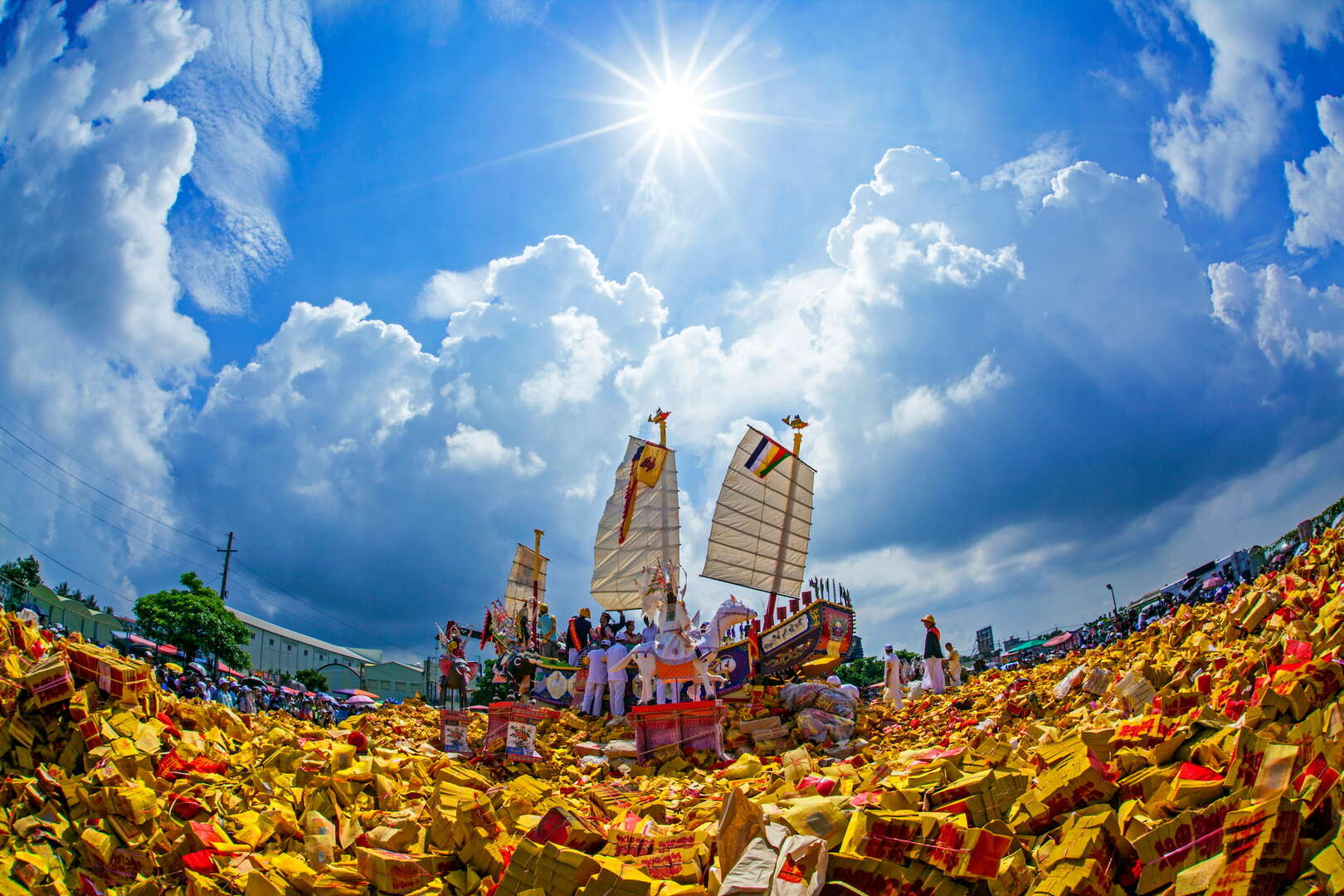
This area is home to three of Tainan's important temple procession festivals from the "Tainan’s Five Great Incense Festivals" - Madou Pilgrimage, Xigang Pilgrimage, and Xiaolong Pilgrimage - which reflect the local community's devout faith in Wang Ye and Mazu and have given rise to a cultural atmosphere distinct from other regions, drawing many visitors.
Travel Tips
- "Tainan's Five Great Incense Festivals"—Madou Xiang: Covering over 3 hectares, Madou Daitian Temple features Taiwan's first camphor-carved 3D relief door gods and a massive undulating dragon sprawling across the grounds; its Paradise, Hell, and Crystal Palace exhibits evoke a quirky 1980s retro-funfair curiosity.
- "Tainan's Five Great Incense Festivals"—Xigang Xiang: Xigang Qing'an Temple is topped by a 100-ton giant carp deity sculpture; its triennial Wangye sacrificial ceremony is designated an Important National Folk Custom and widely acclaimed as "Taiwan's Foremost Incense Festival."
- "Tainan's Five Great Incense Festivals"—Xiaolong Xiang: Jiali Jintang Temple is Jiali's oldest sanctuary, preserving exquisite mosaic artworks by master Cut-and-Paste (Jiannian) artisan Ho Chin-lung; during the triennial Xiaolong Xiang festival, the Centipede Array formed by 108 children is its most famous spectacle.
- Stepping into the Soulangh Cultural Park, shaded tree-lined avenues and heritage sugar refinery architecture evoke a tranquil retro atmosphere, while rotating art exhibitions and water play areas make it popular with visitors of all ages.
- Known as "Coral Lake," Wushantou Reservoir features well-equipped campgrounds, barbecue areas, walking trails, and a waterfront park; in spring, the blooming Mexican lilac (Gliricidia sepium) has become an unmissable seasonal highlight.
- Yoichi Hatta Memorial Park features Japanese wooden residences and landscaped gardens restored using traditional Japanese carpentry techniques; the "Love Divination Stone" just outside is a must-visit for couples. Entry is included with a Wushantou Reservoir Scenic Area admission ticket.
- Tsung-Yeh Arts and Cultural Center preserves vintage sugar refinery architecture and antique locomotives, serving as a creative park that brings together traditional craft exhibitions, local culture, and lush green open spaces.
Things to Do
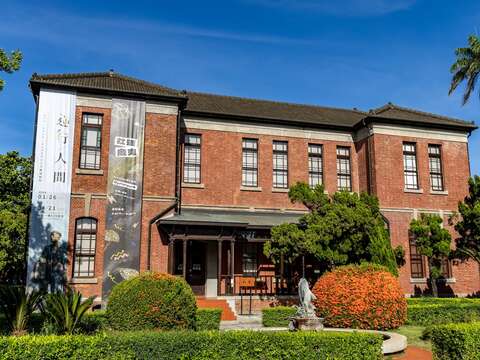 Sweet Pomelo Aromas in MadouIn the 18th century, Madou was a lagoon port. As the lagoon silted up into fertile soil, Han settlers in the Qing dynasty began growing sugarcane and introduced pomelo cultivation, establishing Madou as the home of the famous Wendan pomelo. The Japanese-era Tsung-Yeh Sugar Refinery preserves cane-hauling locomotives, stone sugar-pressing rollers, a complex of Japanese-style buildings, and century-old camphor trees. In late summer and autumn, the annual Madou Pomelo Festival is another highlight well worth experiencing.
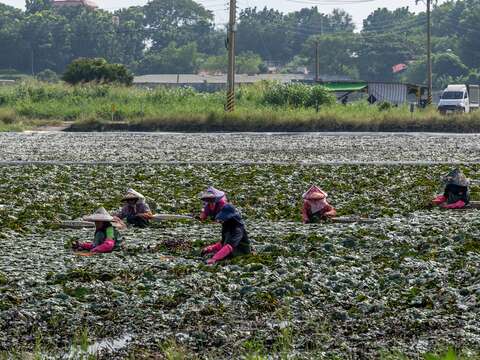 Boat Silhouettes in the Water Caltrop Village of GuantianDuring the Kingdom of Tungning, military and civil officials recruited tenant farmers to clear and cultivate this land. Situated at Tainan's geographical center, Guantian contains numerous artificial lakes, the largest being Coral Lake (Wushantou Reservoir) designed by Yoichi Hatta. Its unique structure creates the "Coral Flying Fountains," one of Tainan's Eight Scenic Views. As Taiwan's largest water caltrop growing area, local farmers are said to have grown the crop in ponds since the Qing period. At harvest time, workers sit in small wooden boats on the water, inspiring the familiar folk song "Harvesting Red Caltrops." The scene of drifting boats amid the fragrance of water caltrops is recognized as one of the Eight Scenic Views of New Nanying.
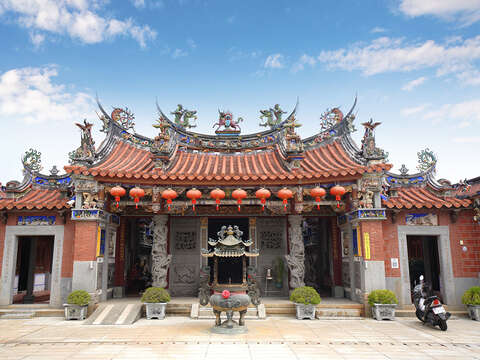 An In-Depth Cultural Journey in JialiJiali District was historically known as "Soulangh," an indigenous Siraya term meaning "Place of Covenant." Serving as the hub of the six districts of the Beimen region, its flat, fertile plains yield abundant produce, most notably burdock. Jiali's heritage architecture is equally captivating. The district boasts two designated municipal monuments—Jintang Temple and Zhenxing Temple—along with four registered historic buildings. The Koji pottery and Cut-and-Paste (Jiannian) works preserved in these temples hold high cultural and historical value, making Jiali an exceptional destination for in-depth cultural exploration.
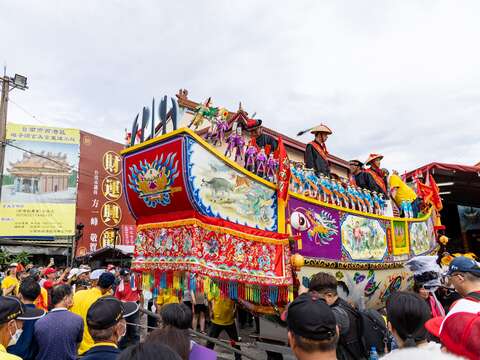 Taiwan's Foremost Incense Festival in XigangIn the 17th century, Xigang was an inland sea trading port. Flooding along the Zengwen River eventually deposited thick layers of silt that turned waterways into arable fields, leaving behind coastal memories and cultural sites. Xigang Qing'an Temple has more than 300 years of history. Its Xigang Xiang religious festival has continued uninterrupted for more than two centuries; recognized as one of Tainan's Five Great Incense Festivals and acclaimed as "Taiwan's Foremost Incense Festival," it is a nationally designated Important Folk Custom. Xigang is also renowned for sesame; to learn more about the local sesame industry, the "Aunt Sesame Story House" is a must-visit!
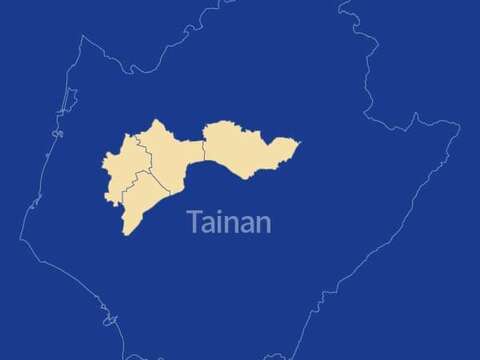
Administrative Region:
Madou / Guantian / Jiali / Xigang Dist.